From cullet grade to batch recipe
Container glass is commonly made from a formulated batch that includes silica sand, soda ash, limestone or other constituents, together with selected recovered glass. Cullet is broken glass that can be fed back into a glassmaking process. Its role depends on chemistry, color, cleanliness, particle size and the recipe the plant is equipped to run. A manufacturer decides whether a load is suitable; the word “cullet” alone does not establish acceptance.
Before batching, material is stored and handled to protect its grade. Unwanted fractions may be removed, and the cullet may be conveyed to batch silos. Sand and other ingredients are weighed and mixed according to a controlled recipe. The mix must be consistent enough for the furnace and product process. Where color separation matters, a change in incoming cullet can affect the batch balance and the resulting glass. Plant controls, incoming inspection and process know-how all have a role.
What happens in the furnace
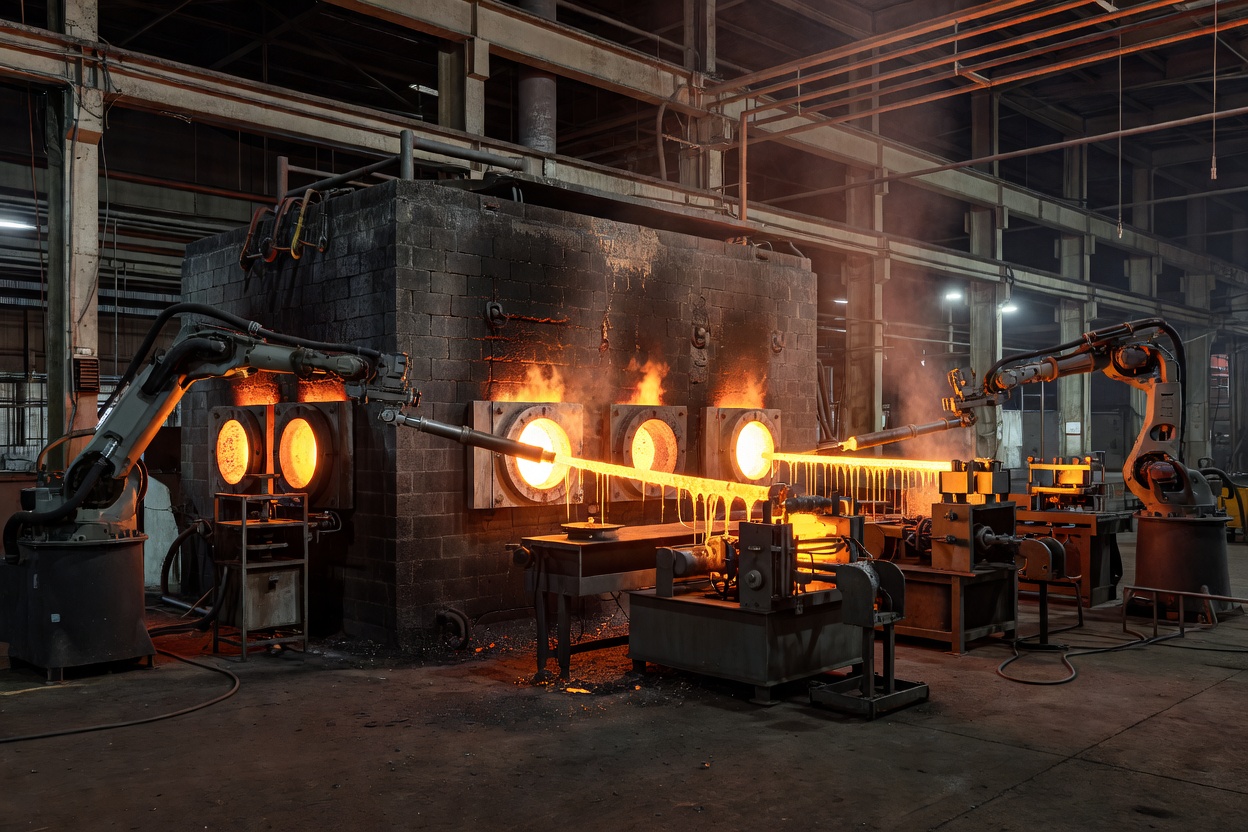
In a glass furnace, the batch is heated until the ingredients react and the melt becomes sufficiently homogeneous for forming. Temperature profiles, residence time, furnace design, pull rate and combustion or electric heating arrangements vary. The melt must be conditioned to reduce bubbles and temperature variation before it reaches forming equipment. This is a demanding continuous industrial operation, and the exact energy and emissions profile is specific to a plant, fuel mix, product and operating period.
It is tempting to state a simple energy benefit for each additional unit of cullet. That oversimplifies the engineering. Cullet has already undergone an earlier melting cycle, and its use can alter batch behavior; but actual outcomes depend on the furnace, raw-material recipe, cullet condition, furnace efficiency, product mix and the system boundary used in an assessment. A comparison should cite the relevant plant or study and avoid turning a contextual result into a universal guarantee.
Refining and forming
After melting, refining and conditioning prepare the glass for forming. The melt is delivered in controlled portions called gobs for many container lines. Individual gobs are shaped in forming machinery, often through a sequence that creates a parison and then a final bottle or jar. The details vary with product design and process. For flat glass, the forming route is different; a float line forms a continuous ribbon over molten tin and is not interchangeable with a container-forming line.
Formed articles are cooled in an annealing lehr, where temperature is controlled to relieve stresses. Inspection then checks dimensions, wall distribution and defects, with automated systems and operator review used according to the plant. Articles that fail quality requirements are separated and may be returned as internal cullet if suitable. That in-process stream is different from post-consumer recovered glass because its history and composition are typically better known.
Quality belongs to the whole chain
Product quality cannot be attributed solely to the furnace or to the recycled fraction. Collection and sorting affect the feed. Batch preparation affects consistency. Furnace conditions influence the melt. Forming and annealing shape the article. Inspection determines whether it meets the intended technical requirements. A performance issue may arise at any point, so a traceable process helps manufacturers diagnose it.
For a buyer, useful questions include: what glass family is accepted; how are colors managed; what contaminants are controlled; how is the cullet fraction reported; and which product tests apply? Ask whether claims refer to post-consumer material, pre-consumer process scrap, or a combination. Those labels describe different material histories. If a supplier reports recycled content, request the applicable calculation method and evidence rather than inferring it from a plant's capability.
Distinguish line capability from actual output
A plant may be capable of using cullet but not take every available grade at every moment. Furnace campaigns, color schedules, customer requirements and supply availability affect actual use. A facility's maximum technical rate is not proof of the share used in each product. Similarly, a bottle made with recovered glass is still a new product with its own testing, packaging, transport and end-of-life considerations.
When comparing routes, keep the functional output clear. A bottle that can be collected and reprocessed under an established system provides a different service from a ground-glass filler or a one-off decorative object. Neither destination is automatically best in every context. The correct decision depends on material quality, production equipment, market demand, local collection and the required product performance.
Standards and technical references can include ISO quality and environmental management frameworks, CEN and British Standards documents, FEVE and British Glass industry material, and product-specific requirements. These references support context; they do not replace a plant's approved process specification.
Review sorting and feedstock → · Explore routes beyond bottles →